Understanding the psychology behind high-stakes gambling decisions
The Allure of Risk in Gambling
The thrill associated with high-stakes gambling often stems from the inherent risk involved. For many players, placing large bets can evoke a rush of adrenaline, akin to extreme sports or other high-risk activities. This excitement can trigger the release of dopamine, a neurotransmitter linked to pleasure and reward, reinforcing the desire to gamble. Consequently, many turn to platforms like the Casinacho gambling site to enhance their gaming experience, which can lead to increasingly risky decisions.
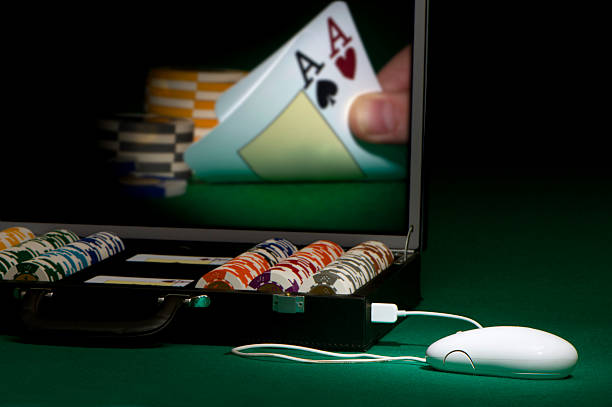
Understanding this psychological phenomenon is crucial for both players and stakeholders in the gambling industry. High-stakes gambling can become a captivating game of chance, where the potential rewards seem to overshadow the risks. The attraction is not just monetary; it taps into deeper psychological needs such as thrill-seeking, social status, and competition. This complex interplay of emotions often drives individuals to place bets that may be beyond their financial means.
Moreover, the perception of risk can be skewed in a high-stakes environment. Players may convince themselves that they possess some level of control over the outcome, leading to overconfidence. This cognitive bias can cloud judgment, making it difficult to recognize when to walk away. Consequently, the allure of high-stakes gambling can create a dangerous cycle of repeated bets, driven by emotion rather than rational thought.
The Role of Cognitive Biases
Cognitive biases play a significant role in the decision-making processes of gamblers. One prevalent bias is the “gambler’s fallacy,” where individuals believe that past outcomes will influence future events. For instance, a player may think that a particular slot machine is “due” for a payout after a series of losses. This flawed reasoning can lead to irrational decisions, often encouraging players to stake more money than they initially intended.
Another important cognitive bias is the “availability heuristic.” Gamblers might base their decisions on recent experiences rather than statistical probabilities. For example, if a player wins big at a particular table, they may overestimate their chances of winning again at that same table, disregarding the actual odds. These cognitive traps not only distort their perception of risk but can also escalate their involvement in high-stakes gambling.
Understanding these cognitive biases is essential for responsible gambling practices. By recognizing how emotions and cognitive distortions influence their behavior, players can develop better strategies to manage their gambling habits. This self-awareness can lead to more calculated decisions, reducing the likelihood of engaging in reckless gambling practices that may lead to financial and emotional distress.
The Impact of Emotions on Gambling Decisions
Emotions are a powerful driving force behind high-stakes gambling decisions. Players often experience a wide range of feelings, from euphoria following a win to despair after a loss. These emotional highs and lows can cloud judgment, leading to impulsive decisions. For example, a player who wins a large sum may be tempted to increase their bets, driven by a false sense of invincibility. This emotional rollercoaster is central to the gambling experience but can also lead to significant financial consequences.
Moreover, emotions can significantly influence the decision to continue gambling despite losing streaks. Many gamblers may find themselves in a “chasing losses” mentality, where they believe that they can recover their losses through further play. This mindset can spiral into a dangerous cycle, wherein players keep betting larger amounts, hoping for a big win to turn their fortunes around. Such decisions often lack rationality, driven solely by the emotional need to rectify perceived failures.
Additionally, social dynamics can amplify the emotional stakes in high-stakes gambling environments. The presence of other players, the atmosphere of the casino, and the thrill of competition can intensify feelings, influencing decisions significantly. High-stakes gamblers may feel pressured to conform to the actions of others, resulting in riskier behavior. This interplay of social and emotional factors highlights the complexities involved in gambling psychology.
The Influence of Environment and Social Dynamics
The environment where high-stakes gambling takes place can significantly shape decision-making processes. Casinos are designed to maximize excitement and engagement, with bright lights, sounds, and a social atmosphere that keeps players in the action. This carefully crafted environment encourages riskier behavior by creating a sense of urgency and excitement. Players may feel more inclined to place larger bets than they normally would in a calmer setting.
Social dynamics also play a critical role in high-stakes gambling. Gamblers often find themselves surrounded by peers, which can influence their choices. For instance, if a player witnesses a fellow gambler scoring a significant win, they may feel compelled to increase their own bets to match the energy of the moment. This peer pressure can exacerbate the risks associated with gambling, leading individuals to make decisions that they might otherwise avoid.
Additionally, the communal nature of high-stakes gambling can foster a sense of belonging and camaraderie. Players often share stories and experiences, reinforcing the idea that their decisions are validated by others. This social reinforcement can further entrench risky behaviors, as gamblers are more likely to engage in high-stakes play if they feel supported by a community. Understanding the environmental and social factors that influence gambling behavior is essential for promoting responsible gambling practices.

Responsible Gambling in High-Stakes Environments
Responsible gambling is critical in mitigating the psychological risks associated with high-stakes play. Awareness campaigns and educational resources can equip players with the tools to recognize their behaviors and make informed decisions. By fostering self-awareness, gamblers can understand the importance of setting limits on their spending and time, creating a more sustainable approach to gambling.
Moreover, implementing measures such as self-exclusion programs can offer valuable support for those who struggle with high-stakes gambling. These programs allow players to voluntarily restrict their access to gambling activities, providing a critical buffer against impulsive decision-making. Such strategies help cultivate a more responsible gambling culture, minimizing the impact of cognitive biases and emotional influences.
The role of online platforms in promoting responsible gambling is also significant. By integrating features that encourage self-awareness and limit-setting, these platforms can create a safer environment for high-stakes gamblers. Users are encouraged to engage in responsible practices, benefiting both the individual and the broader gambling community. Thus, addressing the psychological factors at play is vital for fostering a healthier gambling landscape.
Deixe um comentário